The U.S. Launches Public Comment on Tariff Reduction for China! Industrial and Consumer Goods Get Priority, How Can Cross-border Sellers Capture the Benefits?
On June 2, 2026, the U.S. Trade Representative (USTR) officially published a request for comments in the Federal Register, announcing plans to establish a U.S.-China Trade Council and initiate a review for reducing tariffs on certain Chinese goods. Approximately $30 billion worth of non-sensitive products are expected to see tariff cuts. This policy shift marks a new phase in U.S.-China trade relations and presents a significant opportunity for cross-border e-commerce sellers and Amazon sellers deeply invested in the North American market. To capitalize on this tariff benefit, it is essential to first understand the policy details, clarify the tariff structure, and complete strategic planning in advance.
1. Core Rules of Tariff Reduction: Restoring MFN Rates, Prioritizing Non-Sensitive Goods
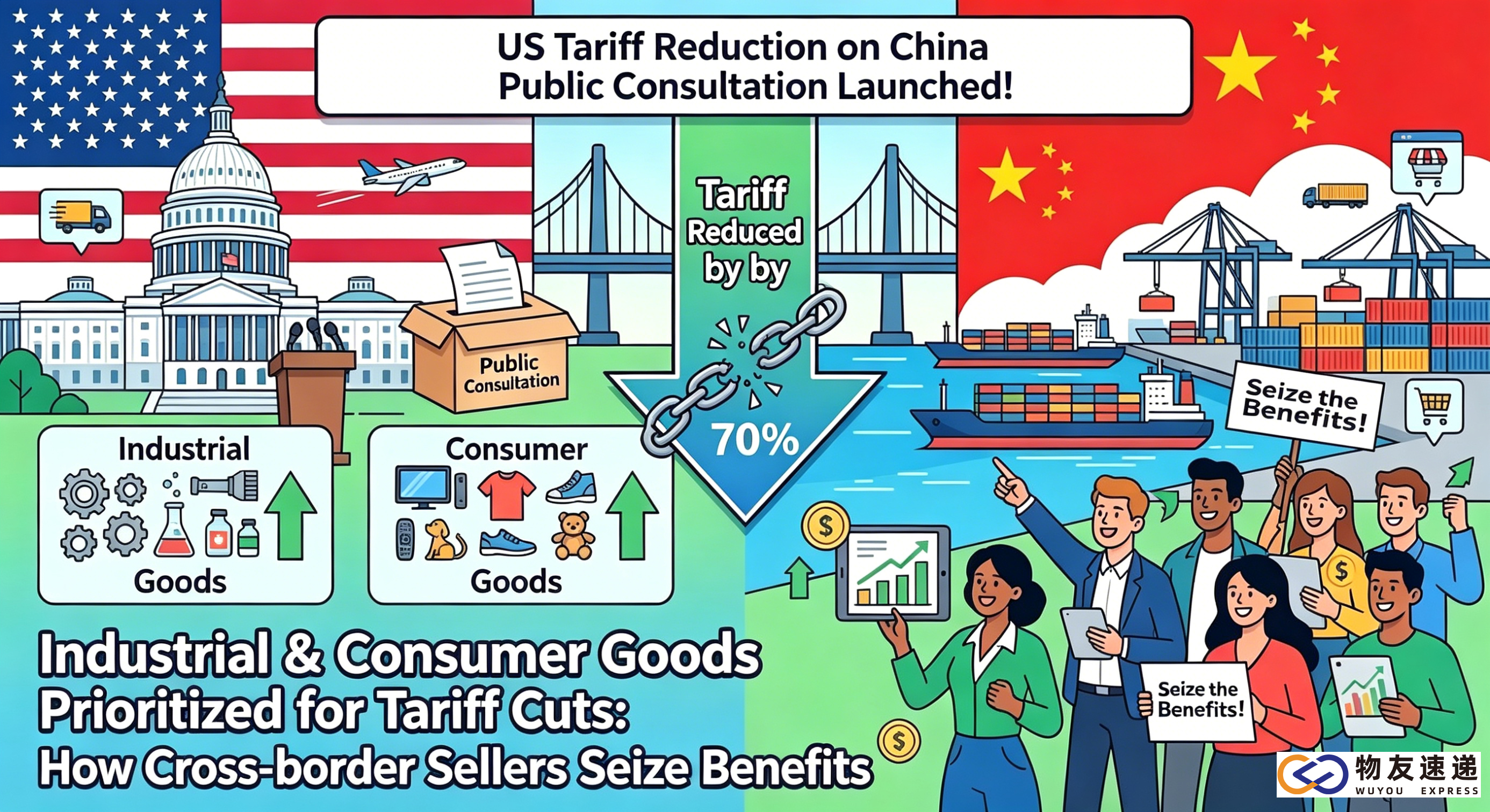
The core scheme of this tariff reduction is to restore the Most-Favored-Nation (MFN) rate for some Chinese goods, eliminating previously imposed additional tariffs. The reduction targets about $30 billion in non-sensitive products, prioritizing mainstream categories that are also key areas for cross-border seller expansion.
Key categories for reduction include: agricultural products, home goods, toys, apparel, and footwear (lower-end consumer goods), as well as general medical equipment and non-sensitive industrial components. Fireworks and some energy products are also on the reduction list. Sellers focusing on these categories will gain greater flexibility in product pricing, profit management, and advertising operations.
2. Policy Target: This Adjustment Primarily Focuses on Section 301 Tariffs
This tariff adjustment primarily targets the long-standing Section 301 tariffs. Since 2018, the U.S. has imposed additional tariffs ranging from 7.5% to 25% on nearly half of Chinese exports to the U.S. under Section 301, which is a main reason for the persistently high overall logistics costs in cross-border trade.
High-volume categories such as daily consumer goods, light industrial products, and standard industrial components are the primary targets of the Section 301 tariffs. Once tariffs on these corresponding categories are reduced, the overall shipping costs for cross-border sellers will see significant improvement.
3. The 14-Point Survey: Determining Product Eligibility for the Reduction List
USTR has released a配套 14-point survey as the core basis for selecting products eligible for tariff reduction. It is divided into two main sections, directly impacting whether a seller's products can benefit from the tax cut.
Questions 1-11: Primarily define the scope of non-sensitive products. They check for national security or supply chain risks associated with the goods, assess the impact of tariff adjustments on upstream and downstream markets, screen for tariff inversion issues, and require the provision of relevant data such as import/export figures and market share.
Questions 12-14: Focus on the operational rules of the U.S.-China Trade Council, clarifying meeting frequency, the dynamic adjustment mechanism for the tariff reduction list, and data sharing methods, intended for long-term trade data monitoring and flexible policy adjustment.
4. Multiple Tariff Barriers: Beyond Section 301, Also Sections 122 and 232
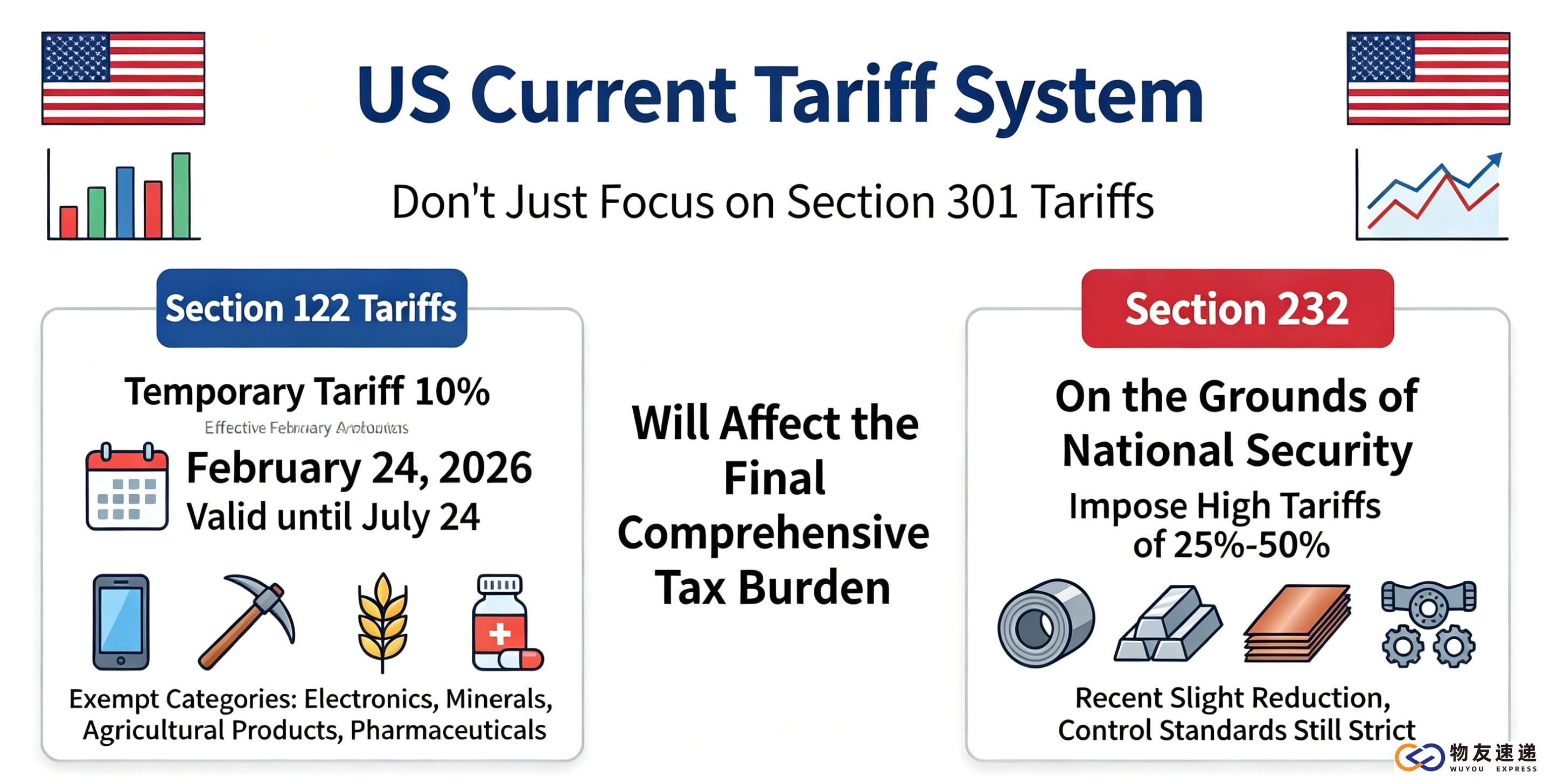
Sellers are reminded that the current U.S. tariff system consists of multiple provisions. It's not enough to focus only on Section 301 tariffs; Sections 122 and 232 also affect the final comprehensive tax burden.
Section 122: Imposes a temporary tariff rate of 10%, effective from February 24, 2026, until July 24, 2026, with exemptions for certain electronics, minerals, agricultural products, and pharmaceuticals.
Section 232: Imposes high tariffs of 25%-50% on steel, aluminum, copper, automobiles, and auto parts on national security grounds. Although there have been recent slight reductions, the control standards remain strict.
Even if Section 301 tariffs are reduced, sellers must calculate the total end-to-end landed cost by considering the other two provisions to rationally assess the actual benefits.
5. Three Major Practical Benefits: Comprehensive Optimization of Pricing, Cash Flow, and Supply Chain
Once this tariff reduction policy is implemented, it will assist North American cross-border sellers in three key dimensions:
First, optimizing the pricing system. With lower tariff costs, sellers can choose to reduce prices to enhance competitiveness or maintain original prices to increase product profit margins, making business strategies more flexible.
Second, alleviating cash flow pressure. Lower taxes and fees at the import stage significantly reduce the capital tied up in inventory, which is very favorable for regular Amazon FBA replenishment.
Third, enabling more stable supply chain planning. Managed trade mechanisms make policy trends more predictable. Selection, stocking, and logistics planning no longer need to be blind, allowing for the formation of a long-term, stable operational model.
6. Key Timelines and Action Suggestions for Sellers
The official comment period has clear deadlines: written comments are due by July 10, 2026, and rebuttal/response comments are due by July 27, 2026. The policy window is limited, so sellers are advised to complete two tasks in advance:
Review all store SKUs, verify HS codes and historical tax payment records, and distinguish whether the tax source is Section 301, 122, or 232.
Calculate the comprehensive cost after tariff changes, integrating first-mile logistics, customs clearance, taxes/fees, warehousing, last-mile delivery, and return costs. Plan pricing, advertising, and restocking schedules ahead of time.
The process is steadily advancing, and opportunities always favor the prepared. Understanding the new tariff rules and formulating operational plans in advance is the way to firmly grasp this wave of tariff reduction benefits and gain a competitive edge in the market.