
#Industry ·2026-05-09


U.S. Customs and Border Protection (CBP) has continuously tightened import clearance regulations in 2026. While the wave of cargo returns caused by 5H inspections continues, 9H inspections have been fully implemented. Coupled with large-scale suspensions of non-compliant Bonds by top U.S. surety companies, cross-border sellers shipping to the U.S. now face severe risks: goods unable to clear upon arrival, cargo detention, high demurrage charges, and total shipment losses.
Based on the latest CBP regulatory policies and practical experience, this article fully explains 5H/9H inspection rules and the impact of Bond suspensions, and provides actionable customs compliance solutions to help you maintain stable shipments.
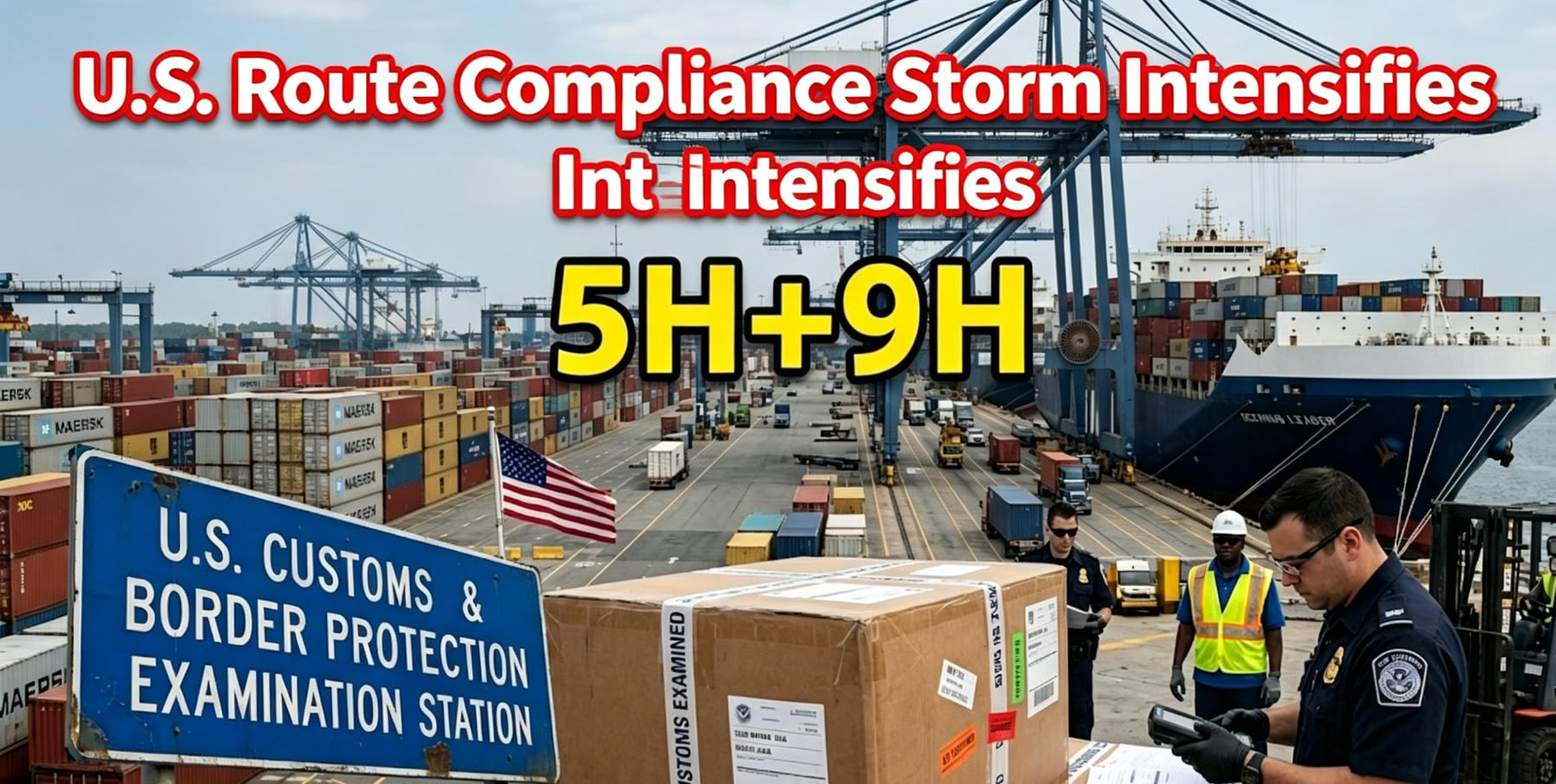
5H is the Entry Processing Hold code in the U.S. Customs ACE system, managed by the CBP Fraud Detection and National Security (FDR) unit. It uses an intelligent review model: document review first, physical inspection later, with 100% automatic data comparison via the ACE system—no manual sampling required.
5H inspections focus on declaration compliance, including commercial invoice, packing list, bill of lading, ISF, Bond validity, HS code, declared value, and full documentation. Any discrepancy will trigger the hold.
- National customs inspection rates have risen from the usual 3% to 9.6%; key ports like Los Angeles and Long Beach exceed 30%.
- The return rate under 5H holds reaches 82%, causing heavy direct losses: demurrage, detention fees, round-trip shipping, and inspection costs can reach hundreds of thousands of dollars per shipment.
- Seasonal goods miss peak sales windows and become dead inventory.
- Non-compliant declarations mark IORs as high-risk, leading to strict full inspections on future shipments.
5H inspections now cover all West Coast and East Coast ports and have become a critical clearance risk for all U.S.-bound sellers.
9H is CBP’s latest regulatory measure. Unlike 5H (which inspects cargo & documents), 9H inspects parties & qualifications—a pure document hold that blocks the entire clearance process until resolved.
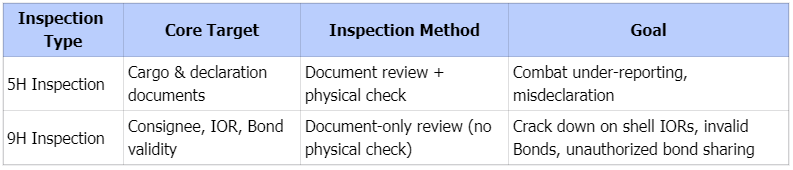
- Abnormal IOR/consignee: shell companies, unregistered entities, fake addresses, unauthorized IOR use.
- Invalid/non-compliant Bond: expired, insufficient limit, shared/borrowed Bond, Bond-IOR mismatch.
- Inconsistent documentation: ISF, invoice, BL, packing list with mismatched info, typos, non-standard addresses.
Starting April 2026, top U.S. surety companies including Roanoke (036) and Avalon have drastically tightened reviews and suspended large numbers of non-compliant Bonds. Bond cancellations surged 370% in early March, marking a strict new era for U.S. customs Bonds.
This cleanup is a CBP-led industry shakeout. Non-compliant models such as double-clearance tax-included shipping and shared/borrowed Bonds are no longer viable. Full compliance is mandatory.
2026-07-04
2026-06-08
2026-05-09
You can send us a general question inquiry here


Tiktok

QQ:
Xiaohongshu
0755-28502287
consulttop


